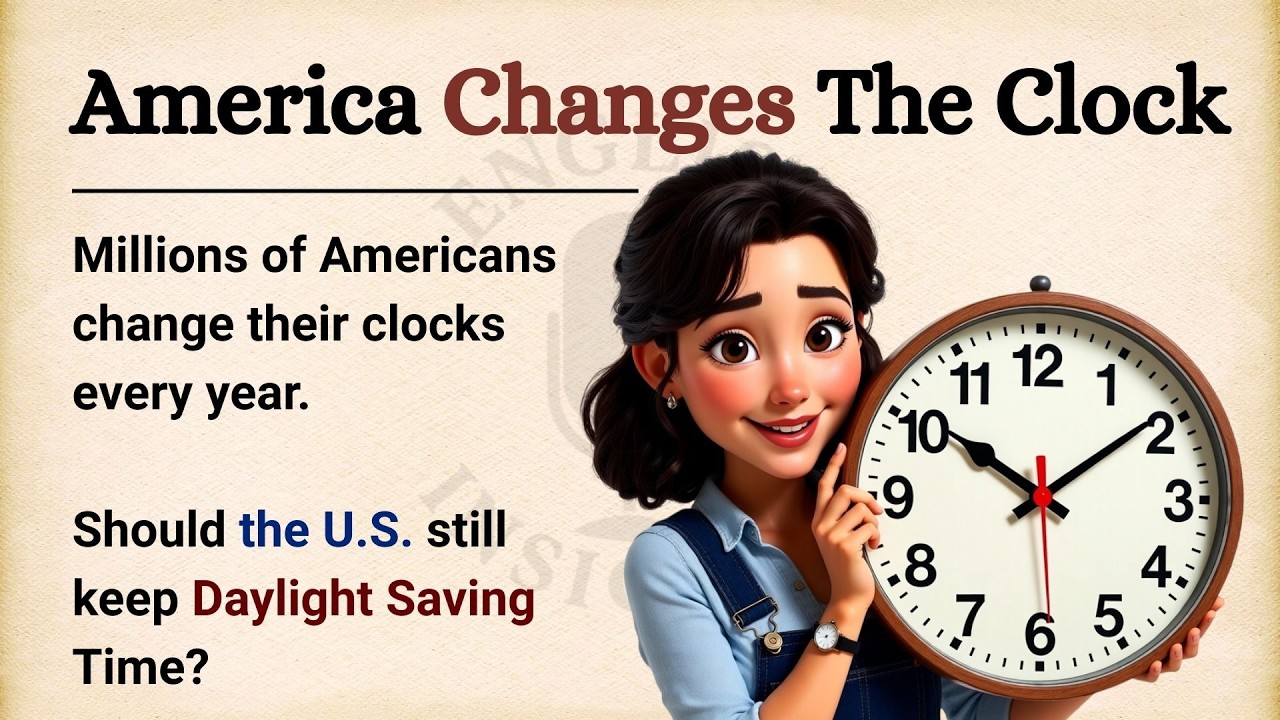
When Do Clocks Change For Daylight Saving Time In 2026?

Ah, the twice-yearly tradition that keeps us on our toes—Daylight Saving Time. There’s something oddly enjoyable about this collective shift, a shared spring forward or fall b...
Ah, the twice-yearly tradition that keeps us on our toes—Daylight Saving Time. There’s something oddly enjoyable about this collective shift, a shared spring forward or fall back that feels a bit like a gentle, nationwide reset. It’s a practical quirk, giving us more daylight in the evenings for a well-earned walk, a lazy barbecue, or just soaking up the sun after work. For parents, it’s a chance to reset children’s sleep schedules, while for gardeners, it means an extra golden hour in the soil.
The main purpose, of course, is to make better use of daylight. We gain that precious evening light, which is a boon for outdoor sports, evening jogs, or simply enjoying a longer sunset. In the fall, we’re gifted an extra hour of sleep—a small but mighty luxury. It’s a system that’s widely appreciated, though it does prompt that annual scramble to adjust clocks, from kitchen microwaves to car dashboards.
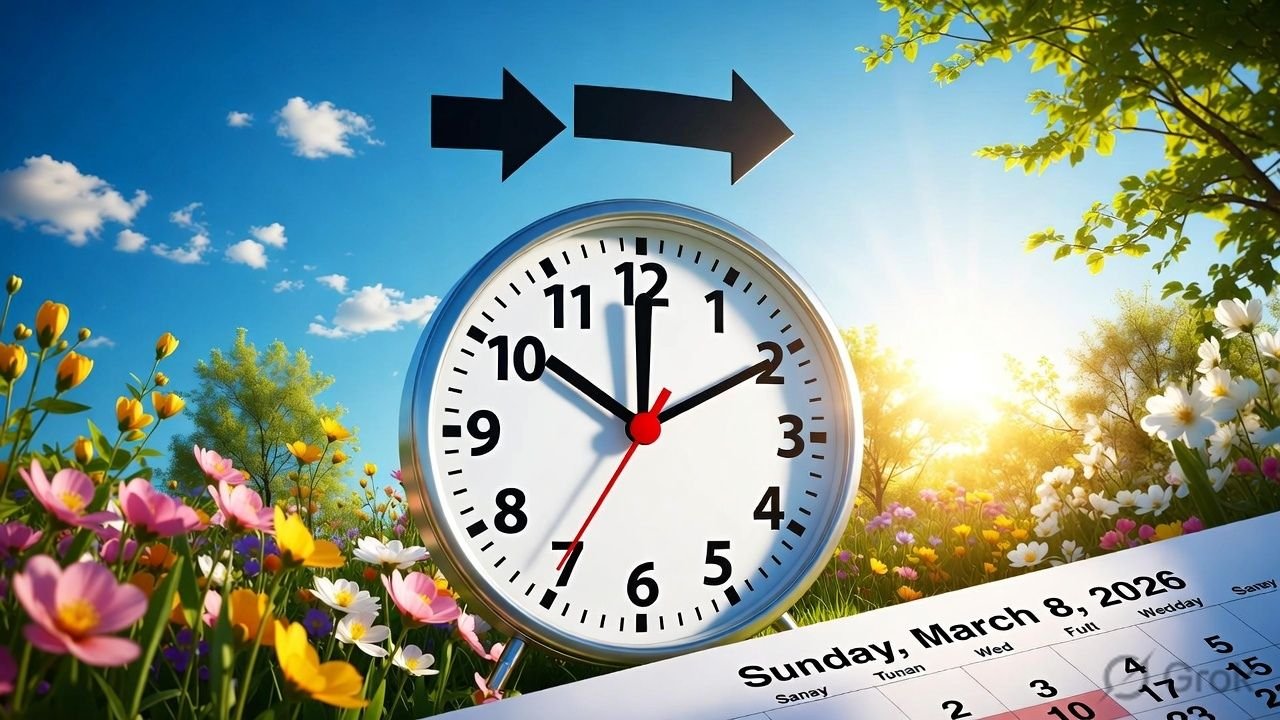
Now, when do clocks change for Daylight Saving Time in 2026? Mark your calendars. For the United States and Canada, you’ll spring forward on Sunday, March 8, 2026, setting clocks ahead one hour at 2:00 AM local time. Then, you’ll fall back on Sunday, November 1, 2026, shifting them back to 1:00 AM. Europe follows its own schedule, typically changing on the last Sunday of March and October, but these dates are your reliable anchors.
Must Read
A common variation? Not all regions participate. Hawaii and most of Arizona (in the U.S.) skip the shift entirely, living in a steady, unchanging time zone. If you’re traveling internationally, always double-check local rules—a missed change can mean a missed flight or a very early meeting.
 Daylight Saving Time 2026 – Don’t Forget to Turn Back Your Clocks
Here’s a simple tip: use your smartphone—it updates automatically. For analog clocks or old stove timers, change them before bed on Saturday night. That way, you wake up on time without the frantic Sunday morning scramble. Also, adjust your sleep by 15 minutes a few days before the shift. It’s a small step that eases the jolt, especially for early risers and coffee lovers.
To make the most of it, embrace the change. Plan a walk in the extra evening light after springing forward, or use the fall-back morning to enjoy a leisurely brunch. Treat it as a gentle reminder to reset your home’s batteries (smoke detectors, anyone?) and enjoy the rhythm. After all, it’s just one hour—and a little anticipation makes it fun.