Deadlocked Jury in Clancy Trial: What the “Dynamite Instruction” Means for Jurors

After jurors in the Lindsay Clancy murder trial reported they could not reach a verdict, the judge gave a powerful “dynamite” instruction. Here is what that charge means and h...

After jurors in the Lindsay Clancy murder trial reported they could not reach a verdict, the judge gave a powerful “dynamite” instruction. Here is what that charge means and how it affects the jury.
In the murder trial of Lindsay Clancy, the jury reported to the court that they were deadlocked—unable to reach a unanimous decision on whether Clancy was guilty or not guilty of killing her three children. When a jury reaches this point, the judge must decide whether to send them back for more deliberation, declare a mistrial, or give a special instruction designed to break the deadlock.
In Clancy’s case, the judge chose to give what is commonly known as a “dynamite instruction,” formally called the Tuey–Rodriguez charge in Massachusetts. This instruction is meant to encourage jurors to keep talking, reconsider their positions, and make every reasonable effort to reach a unanimous verdict—without forcing anyone to abandon their honest beliefs.
Must Read
What Is the “Dynamite Instruction”?
The “dynamite instruction” gets its nickname from the idea that it is supposed to “blast” a jury out of a deadlock. In Massachusetts, this instruction is based on two key state court decisions, Commonwealth v. Tuey and Commonwealth v. Rodriguez, and is therefore called the Tuey–Rodriguez charge.
When a judge gives this instruction, they typically tell jurors:
- It is their duty to decide the case if they can do so conscientiously.
- Jurors in the minority should reconsider their views in light of the majority’s reasoning, while still holding onto their own honest convictions.
- No other jury would be better qualified to decide this case, and a retrial would be costly, time-consuming, and uncertain.
The goal is not to pressure jurors into a verdict they do not believe in, but to remind them of the importance of their role and to encourage continued, good-faith deliberation.
How the Instruction Was Used in the Clancy Trial
In the Clancy trial, the jury sent a note to the judge indicating they could not agree on a verdict. After receiving that note, the judge delivered the Tuey–Rodriguez instruction, urging the panel to continue deliberating and to try to work out their differences.
Legal observers have described the instruction as something like a “pep talk” from the judge—firm but carefully worded so as not to coerce any individual juror. The instruction effectively tells the jury: “You have heard all the evidence. You are as well qualified as any other group could be. Please try again, with an open mind, to see if you can reach agreement.”
Key points of the dynamite instruction in this case:
- Jurors were reminded of their duty to reach a verdict if possible.
- Those in the minority were encouraged to listen carefully to the majority’s reasoning.
- The judge emphasized that this jury was uniquely positioned to decide the case and that a retrial would be difficult for all involved.
What Happens If the Jury Still Cannot Agree?
After receiving the dynamite instruction, the jury in the Clancy trial was sent back to the deliberation room to try again. At that point, several outcomes are possible:
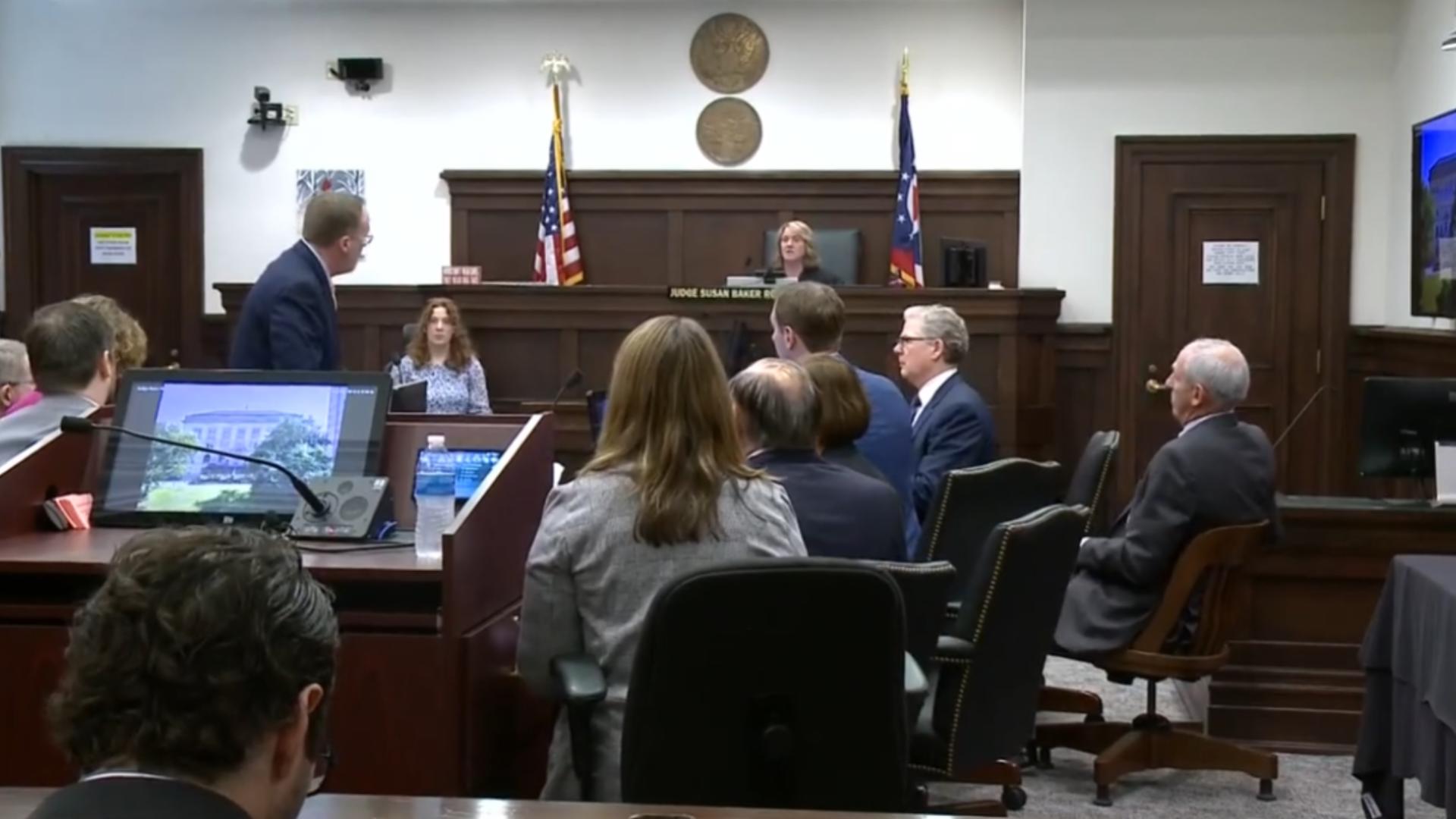 'Justice needs to be done': Ohio Attorney General Dave Yost says state
- Verdict reached: The jury overcomes the deadlock and returns with a unanimous decision, either guilty or not guilty.
- Continued deadlock: The jury deliberates further but remains unable to agree. They may send another note to the judge saying they are still stuck.
- Mistrial declared: If the jury remains deadlocked even after the instruction and additional deliberation, the judge may ultimately declare a mistrial due to a hung jury.
A mistrial does not mean Clancy is acquitted. Instead, it means the trial ended without a verdict. In serious cases like this, prosecutors usually have the option to retry the case with a new jury, though they may also consider other options such as plea negotiations or, more rarely, dismissal.
Why Judges Use the Dynamite Instruction Carefully
Judges are aware that the dynamite instruction can feel pressuring to jurors, especially those in the minority. For that reason, courts emphasize that it should not be given too early or in a way that suggests the judge favors conviction over acquittal.
In Massachusetts, the Tuey–Rodriguez charge is considered a last-resort tool before moving toward a mistrial. It is typically used only after the jury has already deliberated for a significant amount of time and has clearly indicated that they are stuck.
The instruction is meant to push the jury toward a decision, but not to force any juror to give up their honest, conscientious belief about the case.
What This Means for the Jurors
For the jurors in the Clancy trial, the dynamite instruction signaled that:
- The judge believed there was still a realistic chance of reaching a verdict.
- They were expected to keep deliberating in good faith, listening to each other and being open to changing their minds if persuaded by the evidence and reasoning of others.
- If, after this final push, they still could not agree, the likely next step would be a mistrial and the possibility of a completely new trial with a different jury.
In practical terms, the instruction placed the jury in a difficult position: they were being asked to try harder to agree, while also being reminded that they must not compromise their own honest judgment just to end the deadlock.
Broader Impact on the Trial
The use of the dynamite instruction in the Clancy trial drew significant public and media attention, in part because of the high stakes involved. A conviction could mean life in prison for Clancy, while an acquittal or mistrial would have very different implications for her future and for public perceptions of the case.
The instruction also highlighted the emotional weight carried by the jurors themselves. They were tasked with deciding not only legal guilt, but also, in a sense, how to interpret complex issues of mental illness, intent, and responsibility in one of the most heartbreaking criminal cases in recent Massachusetts history.
