Lindsay Clancy Emergency Relief Decision Pending as SJC Justice Reviews Stay Motion

As Judge William Sullivan prepared to declare a mistrial in the Lindsay Clancy murder trial, her defense team filed an emergency motion with the Massachusetts Supreme Judicial...
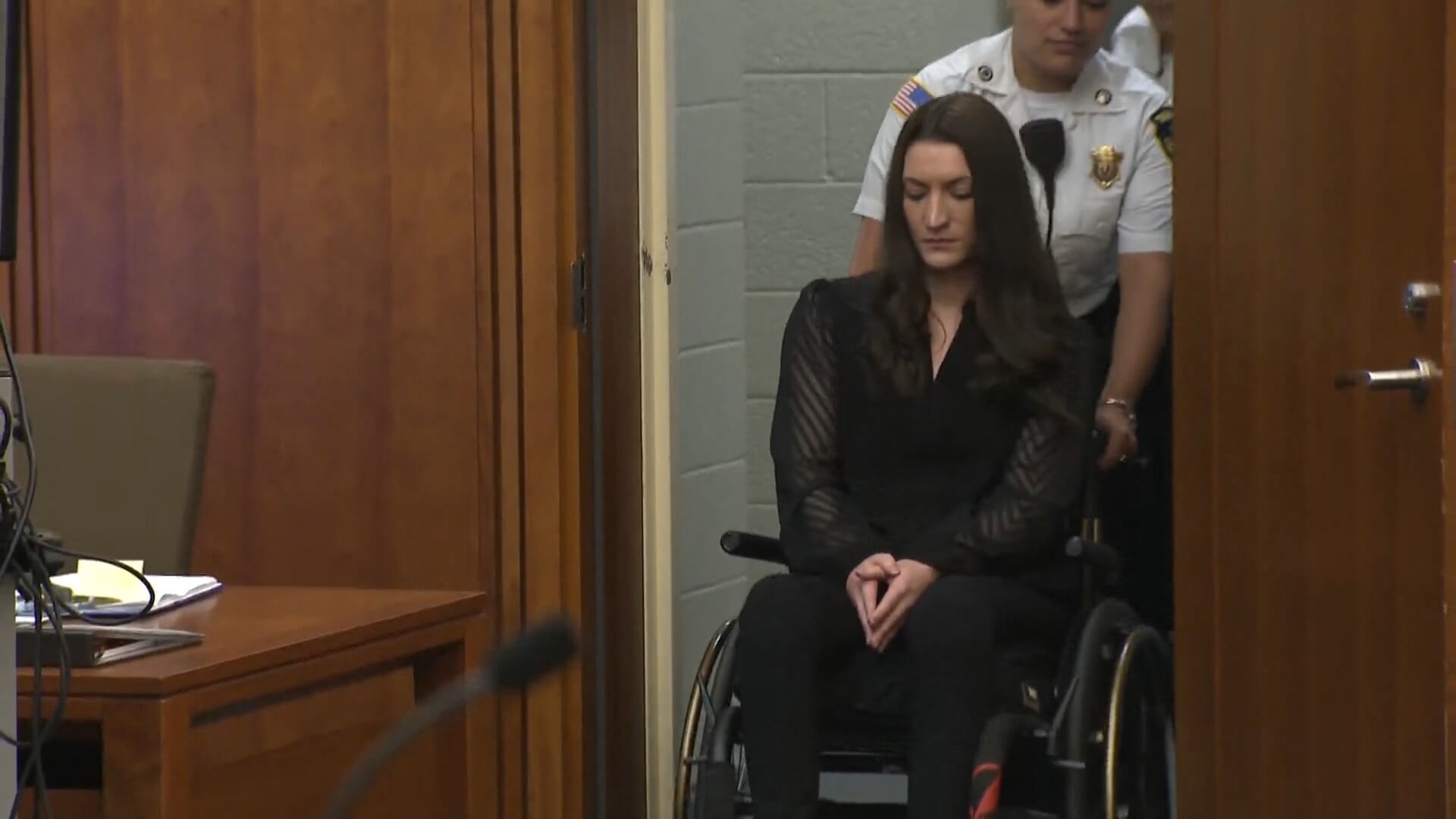
As Judge William Sullivan prepared to declare a mistrial in the Lindsay Clancy murder trial, her defense team filed an emergency motion with the Massachusetts Supreme Judicial Court. Here is what the motion asked for, how the SJC responded, and what it meant for the case.
On Friday, September 4, 2026, the murder trial of Lindsay Clancy reached a critical juncture. After the jury sent a third note saying it could not reach a unanimous verdict, Plymouth Superior Court Judge William Sullivan indicated that he intended to declare a mistrial.
Just before the mistrial was formally announced, Clancy's lead attorney, Kevin Reddington, asked for time to seek emergency relief from the Massachusetts Supreme Judicial Court (SJC), the state's highest court. Judge Sullivan agreed to pause the proceedings and gave the defense one hour to file an emergency motion requesting a stay of the planned mistrial.
Must Read
For a brief window, the mistrial decision was pending while an SJC justice reviewed the defense's request and decided whether to intervene.
What the Defense Asked the SJC to Do
The emergency motion, prepared with the help of appellate attorney Dana Goldblatt, sought what is known as a single-justice session of the SJC. Under Massachusetts law, a single justice can hear certain emergency matters and grant temporary relief while the full court considers whether to take up the issue later.
In practical terms, Clancy's lawyers asked the SJC to:
- Order an inquiry into whether a specific holdout juror was able and willing to apply the law on reasonable doubt and criminal responsibility, particularly in light of Clancy's claim of severe postpartum psychosis.
- Prohibit further deliberations with that juror unless and until the trial court conducted an individual examination (voir dire) to confirm that the juror could follow the judge's instructions.
- Stay the mistrial ruling temporarily, so that these issues could be addressed before the trial was officially terminated.
The defense argued that there were indications that at least one juror might be biased or unwilling to properly apply the legal standards on mental illness and criminal responsibility. They contended that allowing the mistrial to proceed without addressing this issue could violate Clancy's right to a fair trial by an impartial jury.
Emergency Hearing Before an SJC Justice
The emergency motion was assigned to Associate Justice Dalila Argaez Wendlandt of the SJC. A brief virtual hearing was held in the early afternoon, with attorneys for both the defense and the prosecution presenting their arguments.
Clancy's lawyers emphasized the high stakes of the case and the potential constitutional issues involved. They argued that intervention was necessary to avoid what they called an "avoidable mistrial" in a case that had consumed enormous time, resources, and public attention, and to preserve the defendant's right to a fair trial by unbiased jurors applying the law correctly.
Prosecutors, on the other hand, maintained that Judge Sullivan had acted within his discretion in moving toward a mistrial after three deadlock notes and extensive deliberations. They argued that there was no clear legal error requiring the state's highest court to intervene before the mistrial was formally declared.
SJC Decision: Emergency Relief Denied
After hearing from both sides, Justice Wendlandt denied the emergency request for relief. The court's decision meant that there would be no stay of the mistrial ruling and no order requiring further inquiry into the alleged juror issue at that stage.
 Attorneys: Clancy insanity defense faces steep odds at trial
With the SJC's decision announced, Judge Sullivan called the court back into session around 2:20 p.m. and confirmed that the emergency appeal had been rejected. He then proceeded to formally declare a mistrial in the Lindsay Clancy murder case and discharged the jurors.
The defense argued that intervention was necessary to avoid an avoidable mistrial in a case that is so time- and labor-intensive and that has captured so much public attention, and to preserve the defendant's right to a fair trial by unbiased jurors applying the law.
Why the Defense Sought SJC Intervention
Emergency motions to the SJC in the middle of a trial are unusual and generally granted only in exceptional circumstances. Clancy's lawyers pursued this route because, once a mistrial is formally declared, it becomes much harder to undo. Their goal was to force the trial judge to address the alleged juror issue before ending the trial.
Legal observers noted that the standard for this kind of interlocutory intervention is very high. The SJC justice would need to find that the trial judge had abused his discretion, committed a reversible error of law, or done something egregious that should be corrected before a mistrial is announced.
In this case, the SJC effectively concluded that Judge Sullivan's decision to move toward a mistrial after three deadlock notes did not meet that high bar, and that any issues about juror bias could be addressed in other ways, including in the context of a potential retrial.
What Happened Immediately After the Decision
Once the SJC denied the stay, the sequence in the courtroom unfolded quickly:
- Judge Sullivan announced that the emergency appeal had been denied by the SJC.
- He then formally declared a mistrial in open court, with the jury present.
- The jurors were thanked and discharged, ending their service on the case.
- The court scheduled a status hearing for September 29, 2026, to discuss next steps, including the possibility of a retrial.
For Lindsay Clancy, the denial of emergency relief meant that the first trial was officially over without a verdict. The case moved into a new phase, with prosecutors now facing the decision of whether to seek a retrial, pursue a plea deal, or consider other options.
Key Takeaways
- Clancy's defense filed an emergency motion with the Massachusetts SJC asking the court to stay the mistrial and order an inquiry into a holdout juror's ability to apply the law on criminal responsibility.
- A single SJC justice, Dalila Argaez Wendlandt, held an emergency hearing and ultimately denied the request for relief.
- After the SJC's decision, Judge Sullivan formally declared a mistrial and discharged the jury, ending the first trial without a verdict.
- The case now moves to a status hearing on September 29, 2026, where prosecutors are expected to outline whether they will seek a retrial or pursue other options.
- The SJC's denial does not resolve the underlying juror-bias claims; it simply allows the mistrial to stand and leaves those issues to be addressed, if at all, in future proceedings.
What the Pending Decision Meant for the Clancy Case
While the SJC justice was reviewing the emergency motion, the fate of the Clancy trial hung in the balance. If the court had granted the stay:
- The mistrial would have been paused or prevented, at least temporarily.
- Judge Sullivan might have been ordered to conduct a detailed inquiry into the holdout juror's views and ability to follow the law.
- The trial could have resumed with the same jury, or alternative measures might have been considered.
Instead, the denial cleared the way for the mistrial to proceed, bringing the first trial to a close and setting the stage for the next chapter in the case—whether that involves a retrial, plea negotiations, or other resolutions to be discussed at the late September hearing.
v