Massachusetts SJC Emergency Motion: Lindsay Clancy Defense Awaits Ruling on Stay After Jury Deadlock

After jurors in the Lindsay Clancy murder trial reported a third deadlock, her lawyers filed an emergency motion with the Massachusetts Supreme Judicial Court seeking to block...
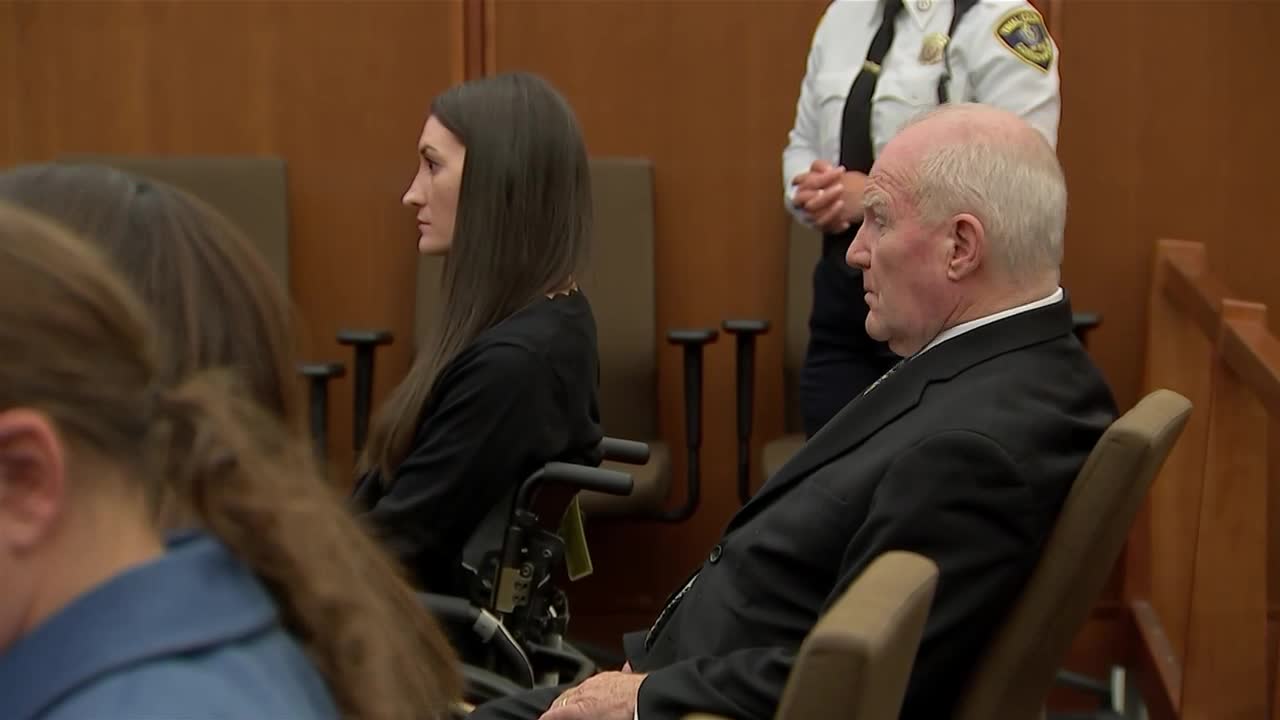
After jurors in the Lindsay Clancy murder trial reported a third deadlock, her lawyers filed an emergency motion with the Massachusetts Supreme Judicial Court seeking to block a mistrial. Here is what happened and what the defense was asking for.
On Friday, September 4, 2026, the jury in the Lindsay Clancy murder trial sent a note to Plymouth Superior Court Judge William Sullivan stating that they were still unable to reach a unanimous verdict after more than a week of deliberations. This was the third time the jury reported being deadlocked.
Under Massachusetts law, a judge may ask a jury to continue deliberating only twice, unless the jurors consent to further deliberations. After a third deadlock, the judge has the authority to declare a mistrial. Judge Sullivan indicated that he intended to do exactly that, which would end the trial without a conviction or acquittal and leave open the possibility of a retrial.
Must Read
Defense Files Emergency Motion with the SJC
Just as Judge Sullivan was preparing to formally announce the mistrial, Clancy’s lead attorney, Kevin Reddington, made an unexpected request: he asked for time to file an emergency motion with the Massachusetts Supreme Judicial Court (SJC), the state’s highest court.
Judge Sullivan agreed to pause the proceedings and gave Reddington one hour to submit the emergency request and seek a stay—a temporary order that would prevent the mistrial from taking effect while the SJC considered the defense’s arguments.
The defense team, including appellate attorney Dana Goldblatt, filed the motion electronically with the SJC just before the one-hour deadline. The filing asked a single SJC justice to intervene and either:
- Order Judge Sullivan to inquire into whether a specific holdout juror was able and willing to follow the law on criminal responsibility and reasonable doubt; or
- Prohibit further deliberations with that juror unless and until the court conducted an individual questioning (voir dire) to determine that the juror could follow the judge’s instructions.
What the Defense Argued
In the emergency motion, Clancy’s lawyers argued that the jury foreperson had identified at least one juror who appeared biased and unwilling to follow the court’s instructions on reasonable doubt and the legal standard for criminal responsibility in cases involving serious mental illness.
The defense contended that this juror’s stance was especially problematic because Lindsay Clancy’s case turns heavily on whether she was criminally responsible at the time of the killings, given her claimed postpartum psychosis. Massachusetts law treats mental illness as a protected category under both the state constitution and anti-discrimination provisions.
According to the motion, failing to address the alleged bias of this juror could violate Clancy’s right to a fair trial by an impartial jury and could also raise issues under the Equal Protection Clause of the Fifth and Fourteenth Amendments to the U.S. Constitution, as well as Article 114 of the Massachusetts Constitution, which prohibits discrimination based on mental illness.
Key requests in the emergency motion:
- Order the trial judge to inquire into the holdout juror’s ability to apply the law on criminal responsibility and reasonable doubt.
- Alternatively, bar further deliberations with that juror unless the court first determines through individual questioning that the juror is willing and able to follow the judge’s instructions.
- Stay the mistrial ruling until this issue is resolved, to avoid an “avoidable mistrial” in a case that has consumed enormous time, resources, and public attention.
SJC Hearing and Quick Denial
The emergency motion was assigned to a single SJC justice, Justice Dalila Argaez Wendlandt, who held a brief virtual hearing with the defense and the prosecution. During the hearing, Clancy’s attorneys argued that intervention was necessary to preserve the integrity of the jury and to protect Clancy’s constitutional rights.
Prosecutors, by contrast, argued that Judge Sullivan had acted properly within his discretion in moving toward a mistrial after three deadlock notes and extensive deliberations. They maintained that there was no clear legal error requiring the state’s highest court to step in before the mistrial was formally declared.
After considering the arguments, Justice Wendlandt denied the emergency request for relief. The SJC’s decision cleared the way for Judge Sullivan to proceed with declaring a mistrial in open court.
 What's the latest on Lindsay Clancy's murder trial
Mistrial Formally Declared
Once the SJC denied the stay, Judge Sullivan called the court back into session and announced that the emergency appeal had been rejected. He then formally declared a mistrial in the Lindsay Clancy murder case, ending the first trial without a verdict.
In practical terms, the mistrial means that:
- There is no conviction and no acquittal at this stage.
- The case remains unresolved, and prosecutors retain the option to retry Clancy before a new jury.
- Clancy herself remains in custody or under whatever release conditions the court has set, pending any further proceedings.
The defense argued that intervention was necessary to avoid an avoidable mistrial in a case that is so time- and labor-intensive and that has captured so much public attention, and to preserve the defendant’s right to a fair trial by unbiased jurors applying the law.
Why the Defense Sought SJC Intervention
Emergency motions to the SJC in the middle of a trial are unusual and generally granted only in exceptional circumstances. Clancy’s lawyers pursued this route because, once a mistrial is formally declared, it becomes much harder to undo. Their goal was to force the trial judge to address the alleged juror issue before ending the trial.
Legal observers noted that the standard for this kind of interlocutory intervention is very high. The SJC justice would need to find that the trial judge had abused his discretion, committed a reversible error of law, or done something egregious that should be corrected before a mistrial is announced.
In this case, the SJC effectively concluded that Judge Sullivan’s decision to move toward a mistrial after three deadlock notes did not meet that high bar, and that any issues about juror bias could be addressed in other ways, including in the context of a potential retrial.
What Happens Next
With the mistrial now in place and the SJC emergency motion denied, the case moves into a new phase. Judge Sullivan has indicated that he will hold a status hearing later in the month to discuss next steps.
At that hearing, the court is expected to:
- Consider any pending motions from the defense or prosecution.
- Discuss the possibility and timing of a retrial, assuming prosecutors choose to proceed with one.
- Address logistical issues such as scheduling, discovery, and any changes in legal strategy following the deadlock.
For Lindsay Clancy, the mistrial means that the question of her criminal responsibility for the deaths of her three children remains legally unresolved. For the legal system, the dramatic sequence—third deadlock, emergency SJC motion, quick denial, and formal mistrial—highlights the intense pressures and complex legal issues surrounding one of Massachusetts’ most closely watched murder trials in recent years.
Key Takeaways
- After a third jury deadlock, Clancy's defense filed an emergency motion with the Massachusetts SJC seeking to block a mistrial.
- The defense asked the SJC to order an inquiry into a holdout juror's ability to apply the law on criminal responsibility and reasonable doubt, or to stay the mistrial pending such an inquiry.
- A single SJC justice, Dalila Argaez Wendlandt, held an emergency hearing and denied the request.
- Following the SJC's decision, Judge Sullivan formally declared a mistrial and discharged the jury.
- The case now moves to a status hearing (set for September 29, 2026) to discuss the possibility of a retrial or other resolutions.
