Tuey Rodriguez Instructions

What Is the Tuey–Rodriguez Instruction? The Tuey–Rodriguez instruction (or Tuey–Rodriguez charge) is a special jury instruction used in Massachusetts state courts when a...
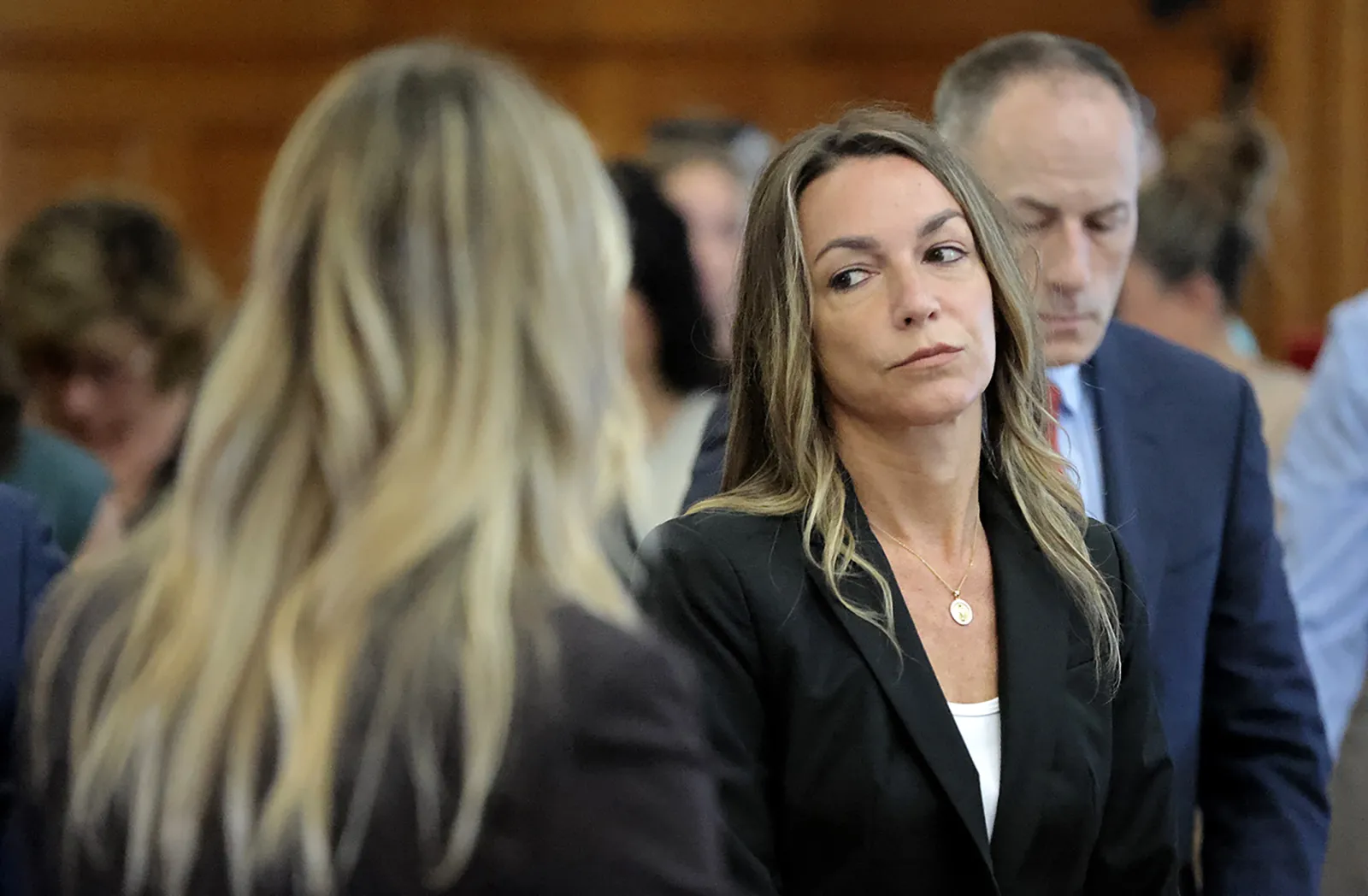
What Is the Tuey–Rodriguez Instruction? The Tuey–Rodriguez instruction (or Tuey–Rodriguez charge) is a special jury instruction used in Massachusetts state courts when a jury reports that it is deadlocked and cannot reach a unanimous verdict.
What It Does
It is Massachusetts’ version of the federal “Allen charge” (or “dynamite instruction”), designed to:
- Remind jurors that it is their duty to decide the case if they can do so conscientiously.
- Encourage jurors in the minority to reconsider their views in light of the majority’s reasoning, without abandoning their own honest convictions.
- Emphasize that no other jury would be better qualified to decide the case, and that a retrial would be costly and uncertain.
The goal is to break an impasse while still protecting each juror’s right to hold a genuine, conscientious position.
Must Read
Where the Name Comes From
The instruction is named after two Massachusetts Supreme Judicial Court cases:
- Commonwealth v. Tuey (1851) – an early case shaping the traditional deadlock charge.
- Commonwealth v. Rodriguez (1973) – which refined and modernized the instruction and set out model language.
Together they form the “Tuey–Rodriguez” charge used today.
When It’s Given
Judges use it at their discretion, typically when:
- The jury has deliberated for a substantial time.
- The jury sends a note or otherwise indicates it is deadlocked.
- The judge believes more deliberation might still lead to a verdict, but wants to give structured guidance.
Typical Effect
After a Tuey–Rodriguez instruction, the jury is sent back to deliberate again. Possible outcomes include:
- The jury reaches a unanimous verdict (guilty or not guilty).
- The jury remains deadlocked even after further deliberation, and the judge may eventually declare a mistrial (a “hung jury”).
What Is the Tuey–Rodriguez “Dynamite Charge”?
A Tuey–Rodriguez charge is a formal instruction that Massachusetts judges can give to a deadlocked jury to encourage them to keep deliberating and try to reach a unanimous verdict.
In Lindsay Clancy’s trial, the judge has not yet given this instruction. However, if the jury sends another note saying they cannot agree, Judge William Sullivan could choose to deliver the Tuey–Rodriguez charge, often nicknamed the “dynamite charge.”
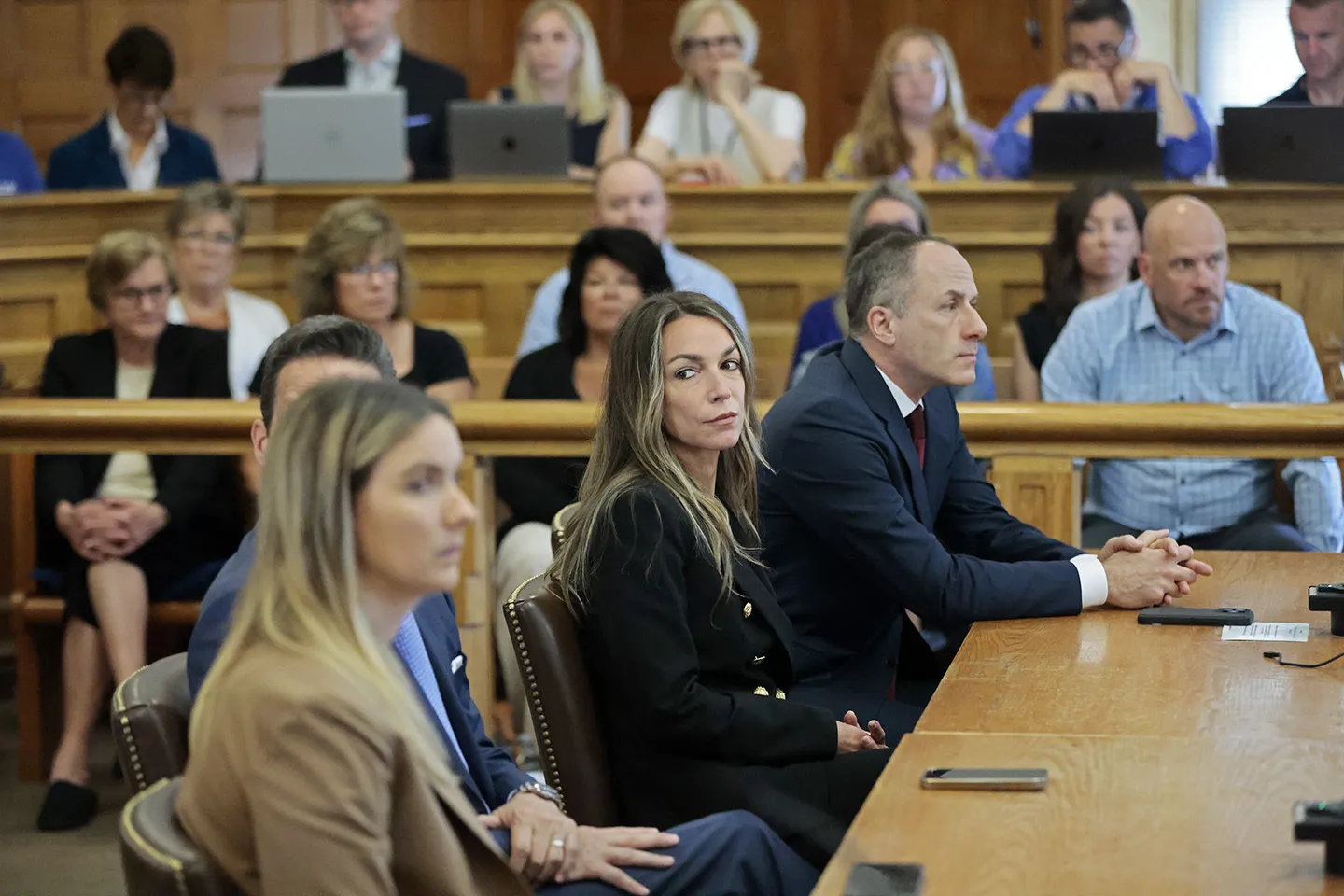 Tuey-Rodriguez Instructions: What They Mean for Karen Read Trial Jurors
Boston attorney Peter Elikann explained that the charge is “known colloquially as the dynamite charge … and it really pushes the jury and urges them to try to work out a unanimous decision. It’s almost equivalent to a pep talk by the judge encouraging them to go back and try harder.”
If, after receiving the Tuey–Rodriguez instruction, the jury sends a third note stating they still cannot reach a verdict, Judge Sullivan could then declare a mistrial.
“It depends on the judge, but normally once the Tuey charge has been given, if the jury comes back again and says they are still deadlocked, the judge is constrained to grant a mistrial,” Boston lawyer Brad Bailey told The Post.
Lindsay Clancy Judge Gives Deadlocked Jury Last-Resort “Tuey–Rodriguez” Charge After They Can’t Reach Verdict
The jury in the high-profile murder trial of Lindsay Clancy has reached an impasse and is now officially deadlocked. Clancy is accused of the strangulation deaths of her three young children, charges that have drawn intense public and media attention throughout the proceedings.
After jurors informed the court that they were unable to reach a unanimous decision on the charge of first-degree murder, the presiding judge stepped in with a last-resort measure: the Tuey–Rodriguez charge. This special instruction, used in Massachusetts when a jury is stuck, urges jurors to continue deliberating and to make every reasonable effort to arrive at a unanimous verdict, while still respecting each juror’s honest convictions.
Throughout the trial, Clancy’s defense team has argued that she was suffering from severe postpartum psychosis at the time of the killings, contending that her mental state rendered her unable to form the intent required for first-degree murder. Prosecutors, by contrast, have maintained that the deaths were the result of planned and intentional criminal acts, pointing to evidence they say shows premeditation.
Clancy, who has been paralyzed and uses a wheelchair following a suicide attempt before her arrest, has appeared in court throughout the trial seated in her wheelchair. Her physical condition and mental health have been central themes in both the legal arguments and the broader public discussion surrounding the case.
With the jury now deadlocked and the Tuey–Rodriguez charge delivered, the court faces a critical juncture. If the jurors remain unable to reach a verdict even after further deliberation under this instruction, the judge may ultimately have no choice but to declare a mistrial, which could lead to the possibility of a retrial.
